

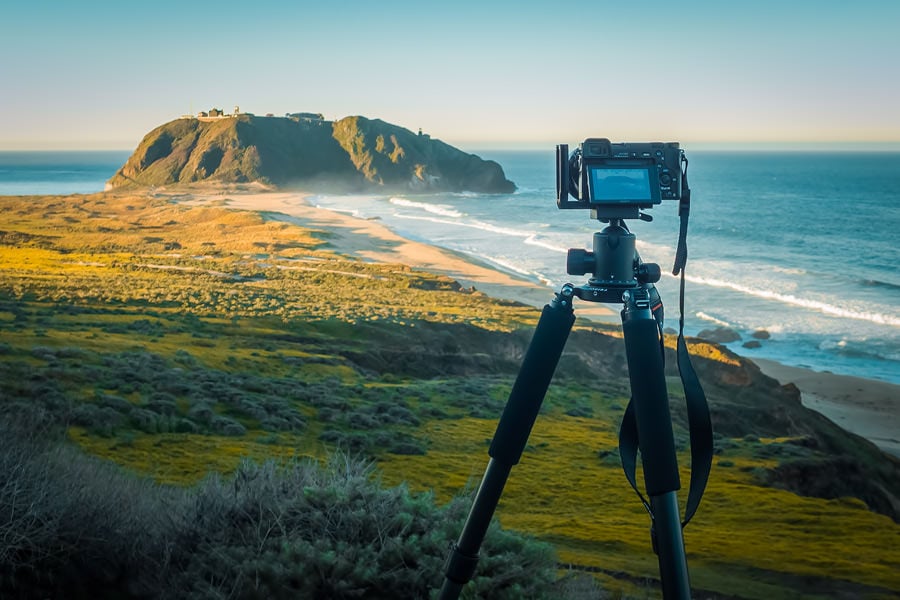
photographers to trigger their camera’s shutter from a distance, without needing to physically press the shutter button on the camera body. This can be extremely useful in a variety of situations, from landscape and wildlife photography where you don’t want to disturb or startle your subject, to self portraits where you need to be in the shot.
Wired Remote Shutter Releases
The most basic type of remote shutter release is a wired release. This is a cable that plugs into the camera’s remote shutter port, with a handheld button on the other end that you press to trip the shutter. Wired shutter releases come in varying lengths, typically from around 1-2 feet up to around 16 feet. Shorter ones give you more mobility while still keeping the camera steady on a tripod. Longer cables allow you to be further from the camera for situations like wildlife photography.
Wired remote releases allow you to hold the camera still while triggering the shutter, preventing blur from camera shake. This is essential for long exposures and macro photography. They also enable you to lock the shutter open for very long bulb exposures. When shooting self portraits, a wired release lets you compose the shot, focus, and then trigger the shutter after you’re in position.
Wireless Remote Shutter Releases
Going wireless takes remote camera triggering to the next level of freedom and flexibility. Wireless remotes allow you to trigger the camera shutter from much greater distances, up to 300 feet or more depending on the model. This gives you tremendous flexibility in camera placement and composition.
Wireless remotes come in two main varieties – radio controlled and infrared. Infrared remotes need direct line of sight to communicate with the camera. This gives them an effective range of about 15-30 feet. Radio controlled wireless remotes do not require line of sight, and can transmit through objects. This makes their range significantly longer at 200-300+ feet. Radio control is generally preferred for the increased versatility it provides.
Many wireless camera remotes have multiple shooting modes beyond just a single shutter trigger button. These can include abilities like burst shooting, time lapse, long exposure/bulb mode, and HDR bracketing. More advanced models have an LCD screen, timer options, and even video start/stop controls. This gives you tremendous flexibility right from the wireless remote.
Wireless Shutter Release Systems
For professional photographers and serious hobbyists, there are advanced wireless control systems available from major camera manufacturers like Canon and Nikon. These systems go beyond just a basic shutter release to provide comprehensive remote camera control from a distance.
Systems like Canon’s Wireless File Transmitter and Nikon’s Wireless Transmitter allow you to view your camera’s live view feed from a smartphone or tablet device. This gives you remote control over focus, with the ability to tap on the screen to set your focal point. You can adjust major camera settings like aperture, ISO, white balance, and exposure compensation. Sophisticated firmware in the camera and app allow this level of control to happen remotely.
The range of these advanced systems can reach up to about 400 feet if there is a clear line of sight between the camera and controller. Obstacles will decrease the range, but it still generally exceeds basic infrared or radio remotes. These wireless systems elevate your camera to function nearly the same remotely as when you’re holding it in your hands.
Intervalometer and Time Lapse Remote Shutter Releases
Intervalometer and time lapse remotes allow you to program the camera to take a series of shots at set intervals over an extended time period. This opens up creative options like capturing a flower blooming or the motion of stars across the night sky.
Wired intervalometers plug into the camera’s shutter release port and allow programming of the interval between shots and total number of shots. This automates the process for hands-free time lapse shooting. Wireless intervalometers offer the flexibility of remote programming and control, without needing to be tethered to the camera during the session.
More advanced time lapse remotes include capabilities like ramping intervals, exposure smoothing for gradual changes in light, and built in day to night transition. Units like the Vello ShutterBoss time lapse remote offer tons of options in a small wireless package.
Smartphone Camera Remote Apps
Turning your smartphone into a wireless camera remote is an affordable option using apps. Both Android and iOS offer camera remote apps that connect to your camera via Bluetooth or WiFi. Canon, Nikon, Sony and other major brands have their own free apps to control their cameras. There are also third party options that work across brands.
The range of control differs between apps, but most offer basics like shutter trigger, live view, focus control, and switching between stills and video. More advanced options can include intervalometer, bulb/long exposure control, and settings adjustments. Review capabilities and connectivity method when choosing a camera remote smartphone app.
Selfie Sticks, Remotes, and Apps
Taking photos of yourself, also known as “selfies”, continues to grow in popularity. This has led to accessories tailored specifically for that purpose. Selfie sticks are extendable poles that allow you to hold your smartphone or small camera further away from yourself to fit more into the shot. Remotes specifically designed for selfie shooting have controls to take photos from in front of the camera.
There are also apps built into many smartphone cameras to make taking selfies easier. Features like voice activation, gestures, and timers allow you to trigger the shutter without physically touching buttons. Some apps utilize the front facing selfie camera so you can preview your shot. Special selfie modes optimize settings like beauty effects, filters, and perspective correction.
Considerations for Choosing a Remote Shutter Release
With the wide range of remote shutter release options available, here are some factors to consider when choosing which type is right for your needs:
- Shooting situations – wired or wireless, and wireless range required
- Frequency of use – basic single shutter release vs. multifunctional intervalometer
- Smartphone compatibility – Bluetooth, WiFi, or proprietary app required
- Camera brand and model compatibility – infrared, radio frequency, port type
- Budget – simple wired releases start under $10, while pro systems cost over $300
- Ease of setup and use – balances power with complexity of controls
- Battery requirements – replaceable vs. rechargeable
Having the ability to trigger your camera’s shutter remotely opens up a whole new world of photographic creativity. Whether you want to photograph shy wildlife, get great self portraits, or capture time lapse movies, a remote shutter release is a versatile accessory that every photographer can benefit from. Evaluate your particular needs and shooting style to choose the type that fits your goals and budget. The freedom to remotely control your camera can take your photography to the next level.

